| Company | University of Bath |
| Course | ME40228: Group Business & Design Project |
| Skills Used | Team Leadership, CAD, PCB Design, Business Planning, Exibition Presentation |
| Software | Altium, Autodesk Inventor, Adobe InDesign |
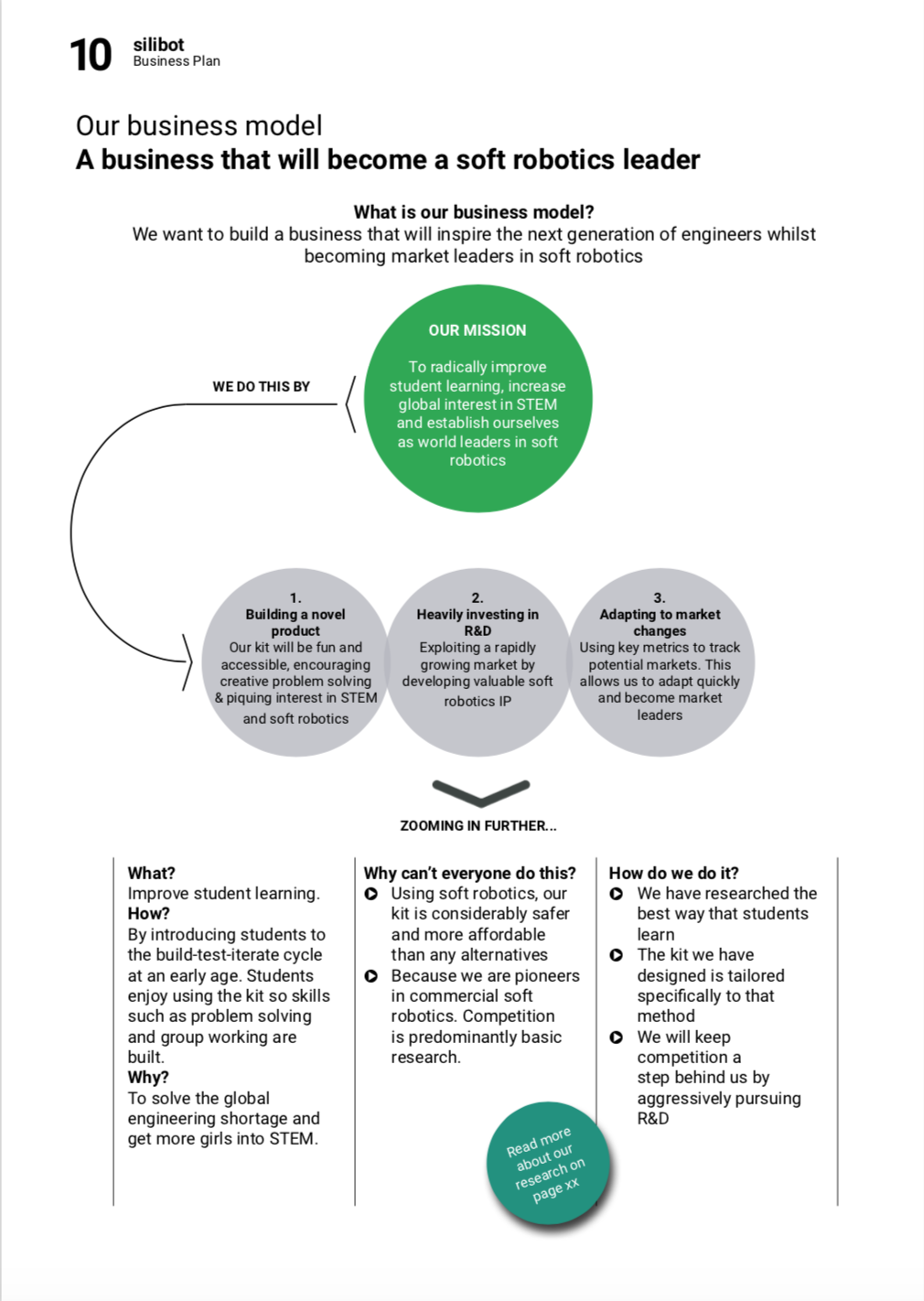
This module took the form of a group project lasting an entire semester working as part of a team of six. The project brief was, "Develop a business focused on a novel Soft Robotic product". Given the broad scope of this brief, the team carried out initial research to decide on a topic to focus on. The ability to create a novel soft robotics actuator in the time-frame was limited, therefore a business focused on educating the next generation of engineers on soft robotics was formed.
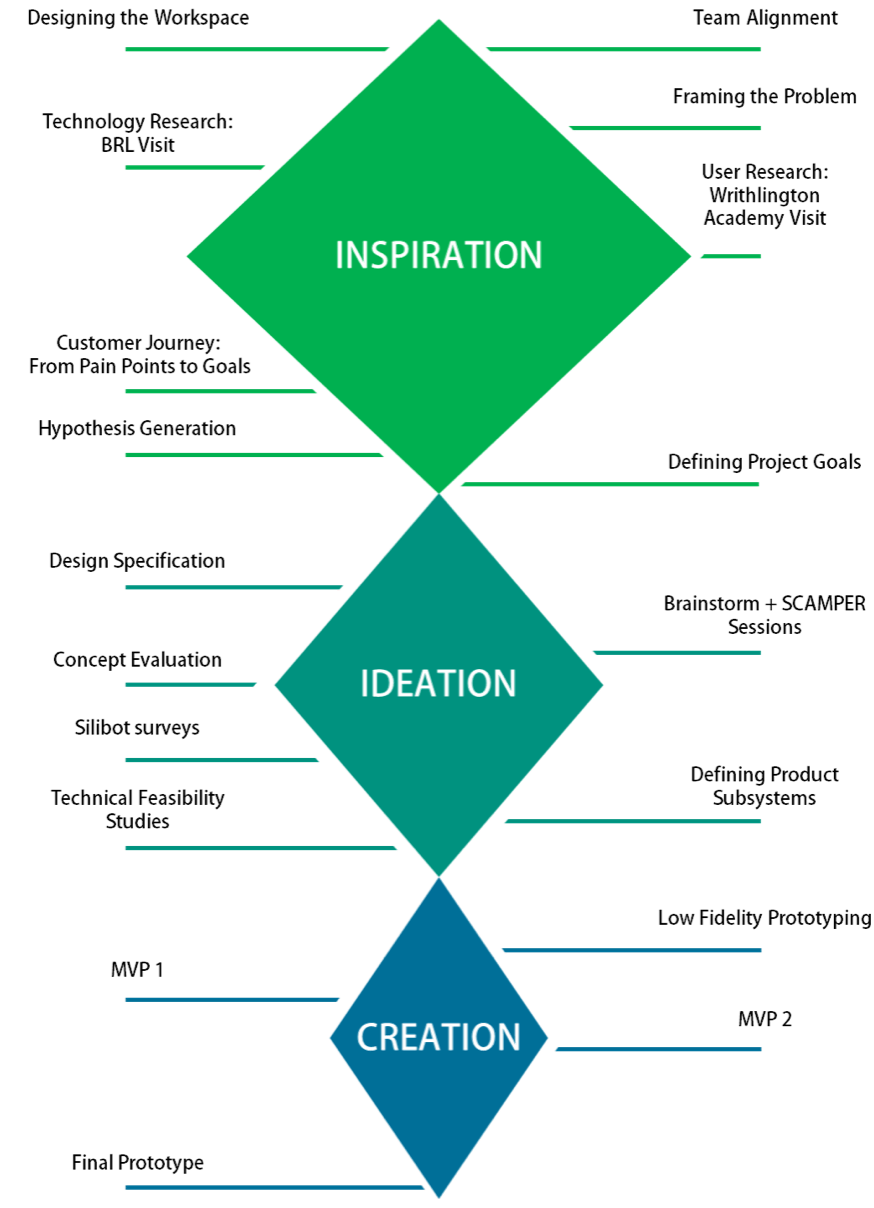
The project had deadlines and presentation dates that needed to be met, therefore the timeline was split into 3 sections:
1) Initial concept design
2) Business Planning
3) Individual Technical Design
The first phase of the project consisted of a large amount of research, visits to schools and robotics laboratories gave the team an idea of what was required and products that already existed withing the chosen market. Following this research initial concepts were designed, individually at first followed by team sessions to expand and combine the ideas. At the end of this process the concept chosen was a Soft Robotics toolkit that would teach engineering design principles through the medium of soft robotics.
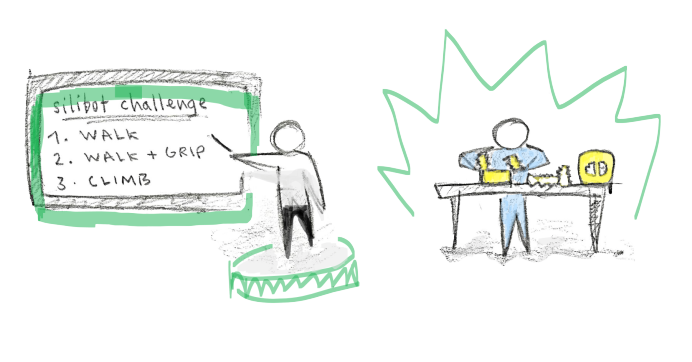
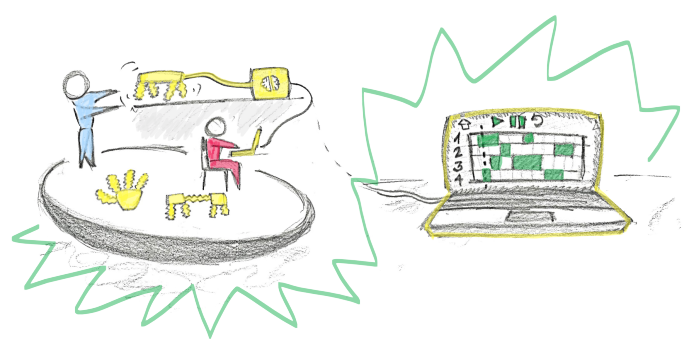
System Concept
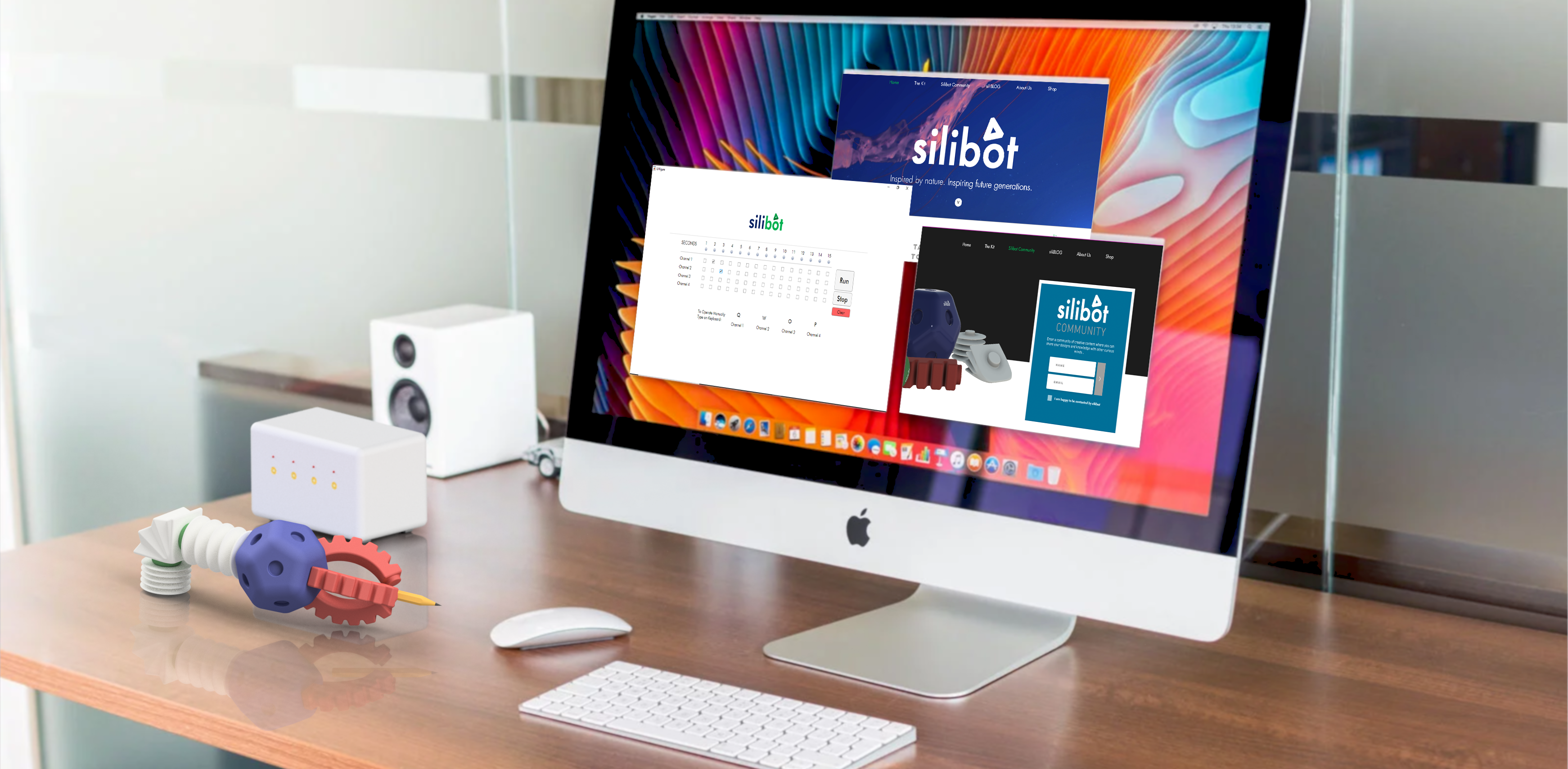
Sketches were made to illustrate the idea in a short storyboard style. The school would be provided with all the equipment required for running a design challenge using the kit. Some challenge ideas would be provided with the kit but a modular design was the preferred idea to allow more creativity.
Each member of the team took responsibility for one subsystem, I was responsible for designing and building a pneumatic delivery system that could be used in schools. The key features to consider were; the safety of the device, the cost to the school and ease of manufacture.
A key element of the subsystem to delivery a constant supply of pressurised air to the actuators was a storage system for pressurised air. Vessels designed specifically for this purpose were deemed too expensive as a key requirement was keeping the cost below £150 for the whole kit. After researching alternatives a plastic bottle was chosen due to their high volume, low cost and availability. Specifications for these require a pressure of 11bar to be reached without rupture, in excess of the expected pressure required.
As a proof on concept a low fidelity prototype was created using a bottle cap with holes drilled for a bike valve and outlet, this showed that the idea was viable to take forwards.
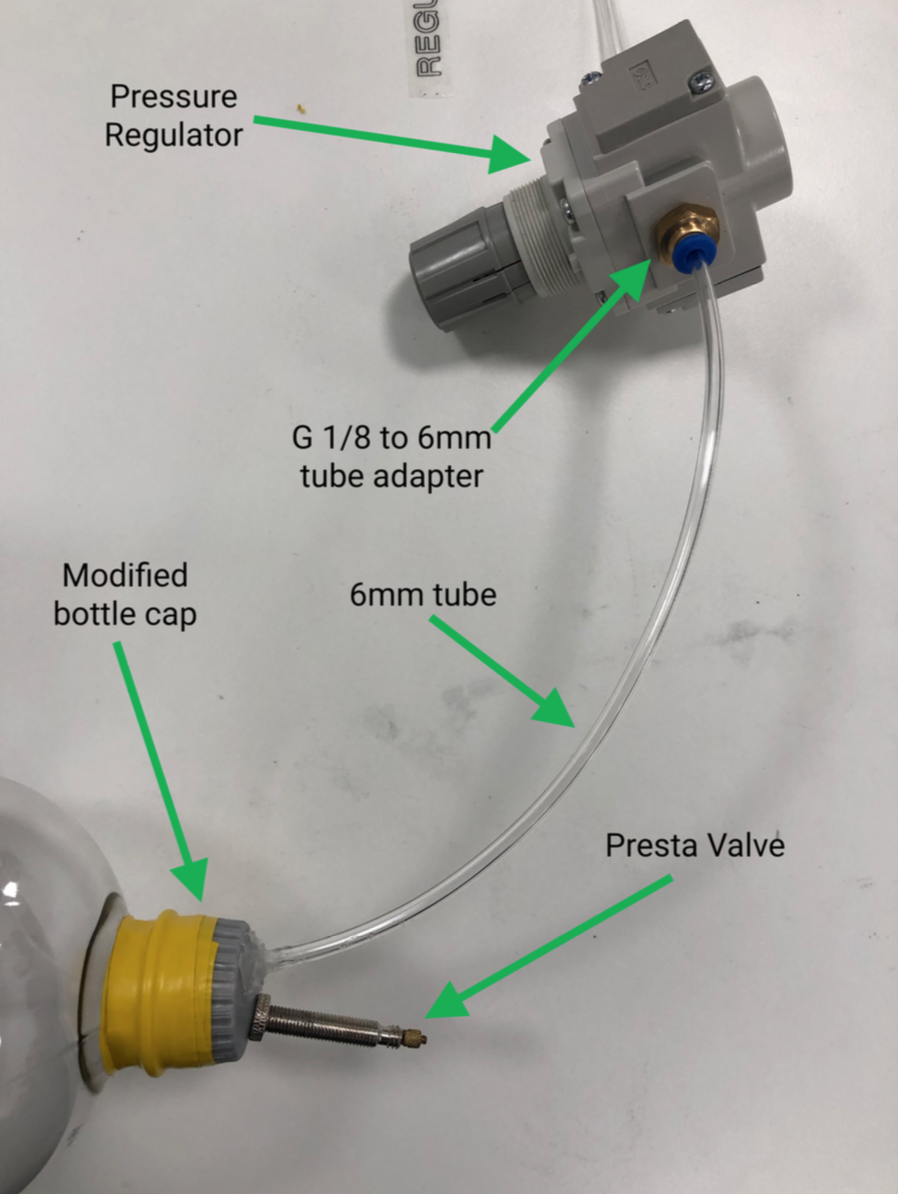
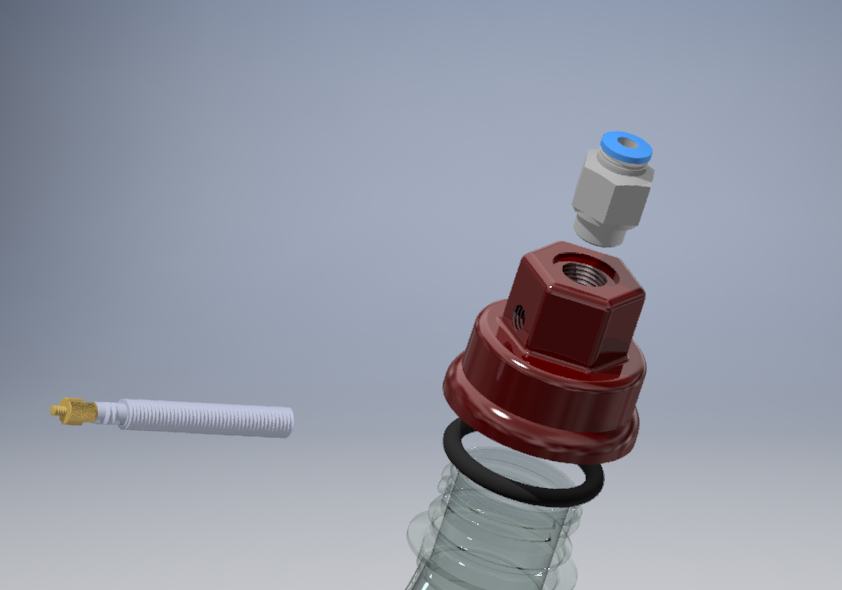
Using the international standard for a drinks bottle a cap was designed that could be fitted to either of the 2 threads in use. This had attachments for a standard bike valve, allowing a low cost pressure source.
As a safety feature a pressure regulator was fitted, this was set-up to release pressure if inflated above 6.9 bar, not only eliminating the possibility of bottle explosion but keeping the system in the low pressure range at which injection injuries will not occur.
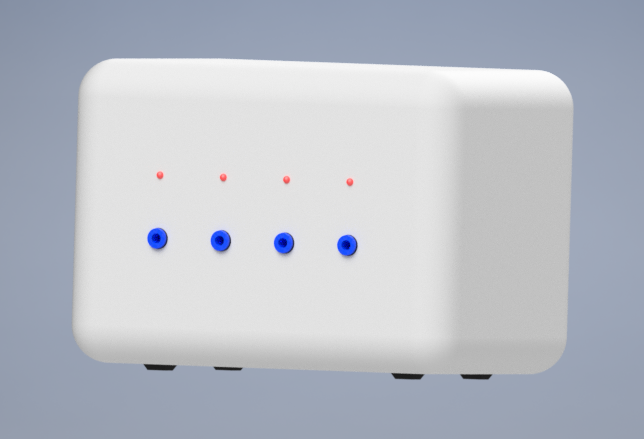
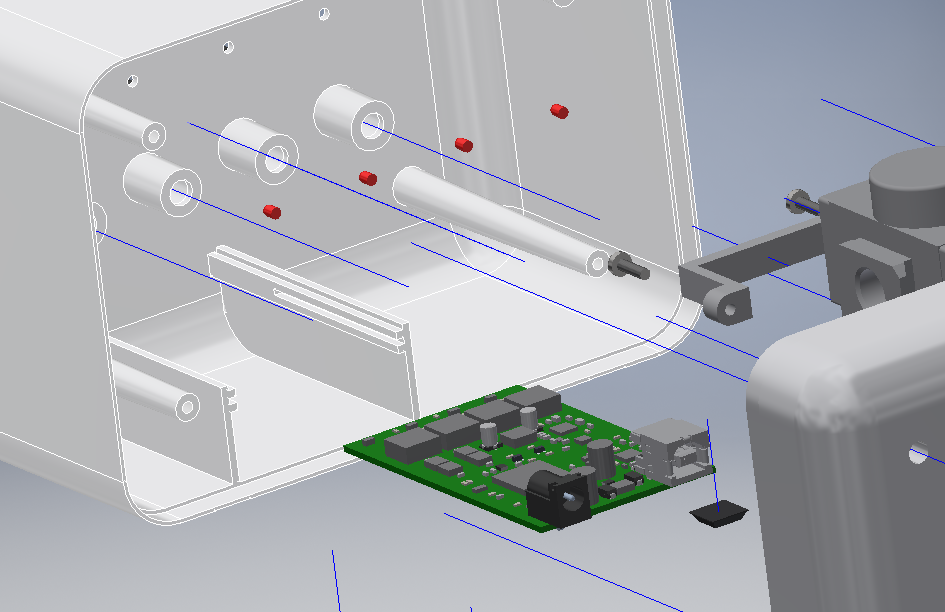
The system required 4 actuators to be controlled separately so a pressure circuit was designed and tested. This utilised 3/2 way valves to allow pressure to be independently supplied to 4 actuators. A casing was then designed to contain all of the electronic and pressure elements to prevent user harm.
To demonstrate the system for the design exhibition a challenge was designed. This was a maze for the ball which required the used to set-up the order of actuation to roll the ball from start to finish in as few moves as possible. This resulted in a high level of engagement at the exhibition, proving that the system was of interest to users.
The final element of the project was preparing a business plan and presentation to show how the team planned to launch the product into a successful company. During this section I took a lead on the design of the report as well as looking at the market need and the risks faced and how to mitigate them. A design was created to be used as a front cover for all reports to show consistency throughout the team.